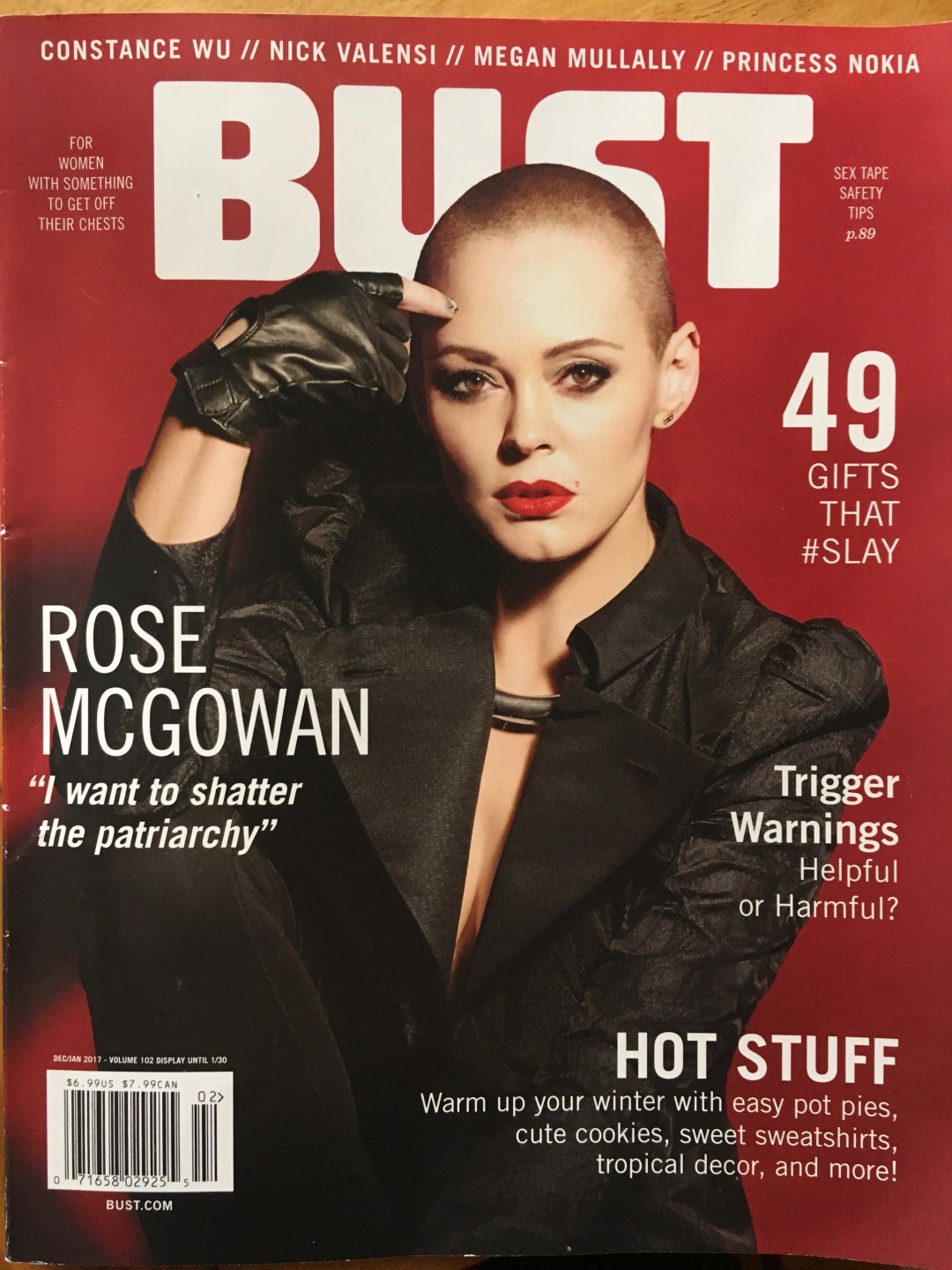
Instead of complaining all the time (there’s enough of it in the world), we’ve decided to celebrate this season’s issue of Bust magazine, which features Rose McGowan.
Straight up, Rose wants to “shatter the patriarchy.” What an irresistible tagline. So we open to the article [pg 39 of 96] written by Amber Tamblyn, a friend of Rose, and read the headline: “Known for years as a movie star, Rose McGowan has recently taken on a new role: feminist troublemaker.”
The word “role” is being adapted from its use in Hollywood to imply activism. We can think of “feminist troublemaker” as an act, a role, an identity that can be played out, which makes it by nature accessible and alluring to any young feminist or troublemaker looking to fuse the two. It’s a thing to be a troublemaker. To be a feminist troublemaker is a position we don’t often see in movies, which is why Rose McGowan fills it so well. She’s been on both sides of the fence, quiet and vocal, and is one of the few who can “open up about Hollywood’s ‘macho crap'” because she’s been a lucky recipient during her acting career.
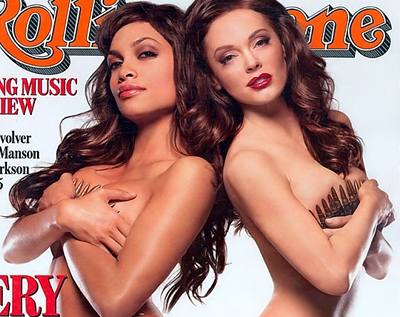
OK, so there are a lot of sexy photos of Rose McGowan on Google, photos that are obviously products of the machismo Rose now seeks to destroy. We can’t blame a young woman for revolting when she has built her livelihood on conforming (actually, we love it). Nor can we blame a young woman for falling into a role she despises while she was just trying to be herself. “There was never a moment when I did not think that was I was doing was beneath me,” Rose says. “I was perceived as this strange version of a movie star who wasn’t playing the role. Nobody would listen to me.” She explains having episodes of disassociation on set, not mindfully inhabiting her body, just to play the role.
Rose McGowan is a person (!) and this article establishes that with Q&A format, staying on topic, and not censoring her language (yes, every human has a right to a dirty mouth). Like in last month’s GQ, where male features’ cussing was printed, in Bust, it too all comes out. When Tamblyn says, “There’s this sense that people, especially men, love to tell women like you that they need to be less angry and more happy,” Rose responds: “They can shut the fuck up…They have not done what it takes to be me.”
And the crowd goes wild.
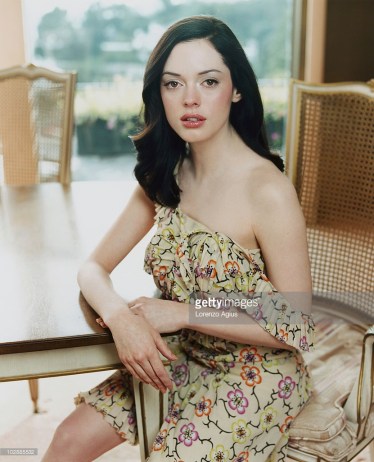
We need more people in the public eye, people like Rose McGowan, to embody an unfiltered version of themselves that rejects the filters of mass media. Amen to the straight-forward, untainted messages that resound in the oppressed and echo back to the oppressors. Amen to those with high visibility making opportunities to galvanize the less seen and fight. Amen to the freedom of expression, and shouting when you’ve had enough of not having it.★



 Is The Message