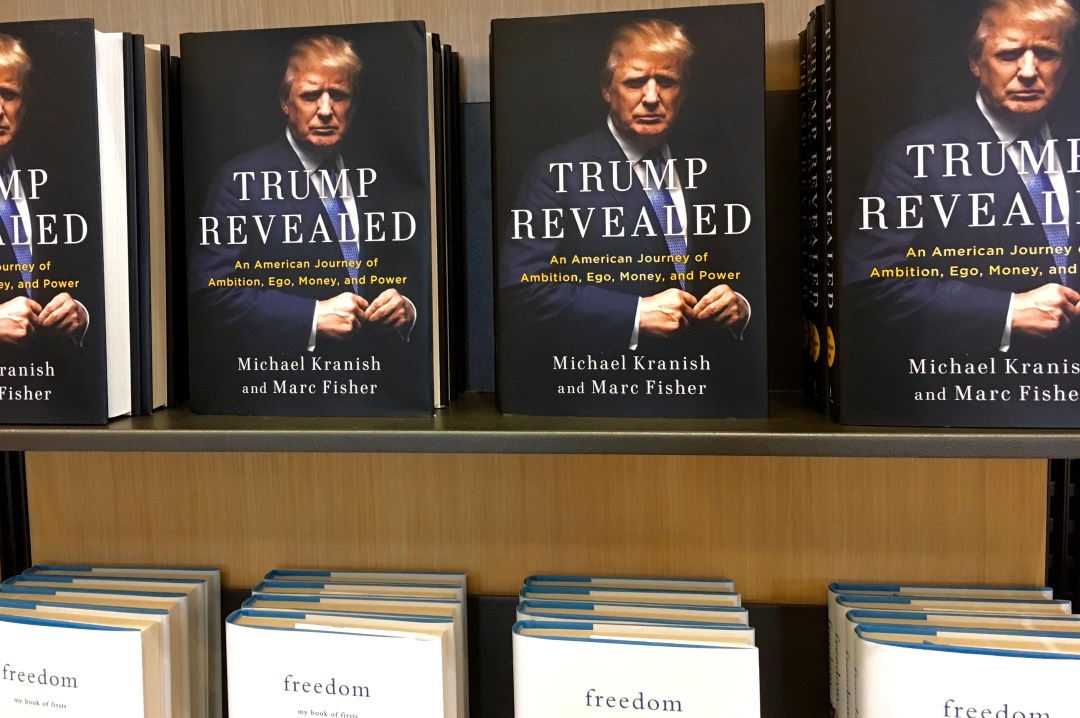
In December 2016, George Monbiot published an article in the Guardian about how “our failure to understand the link between fame and big business made the rise of Trump inevitable.” To the many of us who saw through the circus-charade (read:”politics”) of the 2016 election, this is no surprise. Even so, has it still accomplished its initial goal: to make a monkey out of us?
According to Monbiot’s research, people who involve themselves in celebrity gossip are three times less likely to participate in community-growing organizations and activities. In a word, they are isolated. The tragic aspect of the 2016 election is that it was a roundup of celebrity gossip disguised as politics (read: “shit-slinging”) which, in turn, pitted us in a battle of us versus each other, where we, the knowing, are fighting amongst ourselves to understand what went and continues to “go wrong.” We think we know, but we have no idea. The media machine is set up that way. We are entitled to be so disillusioned, to have a right to troll the news and gather and hoard evidence that we can use to forge allies or make enemies.
What we’re really facing is the enemy of our neighbor. “Virtual neighbours replace real ones,” writes Monbiot. Our neighbors exist in the media not as a person, but a persona. Underneath the persona, sure, is a person, but we may never know that person. The enemy of our neighbor is the shapeless, capital-driven corporation that needs a distinctive face, mask, or persona, to be known. And when it comes to choosing these faces, “the less transparent they are, the more airtime they receive.”
Have you ever been with a small group of friends who are suddenly all talking about something you don’t care about? Instead of walking away, Monbiot, it would seem, would advocate shifting the conversation, working to strengthen people-bonds even under the looming threat of ignorance. Make friends with the threat, seek a neutral stance, gain compassion. He is about connecting people, not further driving them into their own separate orbits of misery. He is on tour right now with a musician in the UK, promoting their album, “Breaking the Spell of Loneliness,” the lyrics of which are based off his earlier writings.
What can you do today to connect with someone who is not conscious of the isolation and frustration their fixation on celebrity can cause in their daily lives? Can you persuade them to turn off the TV, put down their phone, confront their unhappiness? Hey, if they’re happy, that’s great. Just don’t be surprised when they walk into the next room to sit alone in the glow of a (de)vice.
 Is The Message