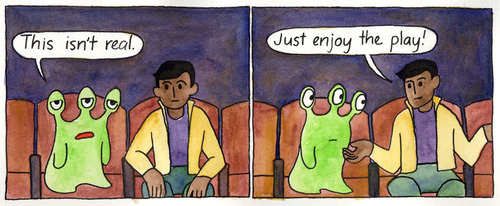
Virtual Reality is now a reality. The most exciting experiences of it come from headsets and equipment that can cost thousands of dollars, while more affordable, albeit less immersive, experiences can happen through technology like Google’s Cardboard.
Let’s build on the sweet notion that you don’t have to spend a lot of money to have a great experience. Go to the woods, take a hike, smell the air. Simple. But what about when you’re bombarded with sensory stimulation, like pictures, or perfume, or the latest trendy pop song? If the pictures are bad, the perfume stinky, the pop song not fun to dance to, are you going to be affected? No; you’re going to turn around and walk away.
Similarly, when you are bombarded with pleasant smells, attractive photos, and hypnotic beats, are you going to walk away? No; you are going to get closer. You are going to want more.
If you’re not loving the experience the product provides, the intellectual stimuli it touts, you’re not going to believe it–you’re going to fall out of love with the candidate, celebrity, brand, and jump to something else.
Virtual reality works the same way. The more expensive the equipment, the better the gear, the more “real” the reality, the better chance of losing yourself in it. If the experience isn’t that great, feels cheap, then you’re going to fall out.
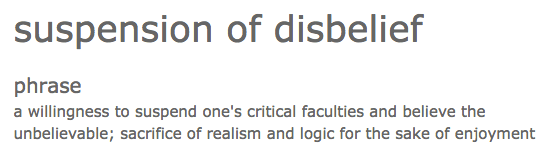
Propaganda works the same way as virtual reality. If you’re not loving the sensory experience it provides, the intellectual stimuli it touts, you’re not going to believe it–you’re going to fall out of love with the candidate, celebrity, brand, and jump to something else.
“Unlike most forms of media,” says this article on Shopify’s blog, “virtual reality blocks out the rest of the world in a way that doesn’t just encourage us to suspend our disbelief, but actually takes our senses for a ride and immerses us wholly in the experience.”
Like a headset, propaganda takes our senses for ride and immerses us wholly in the experience. The best kind of propaganda, the most effective, takes hostage our objective thinking and captures us in its creation. We have to suspend our belief that corporate politics do not manipulate us if we want to consciously vote. We need to enjoy the story of this election in order to believe in it, and thanks to social and corporate media, it’s affordable and easy to do.
 Is The Message