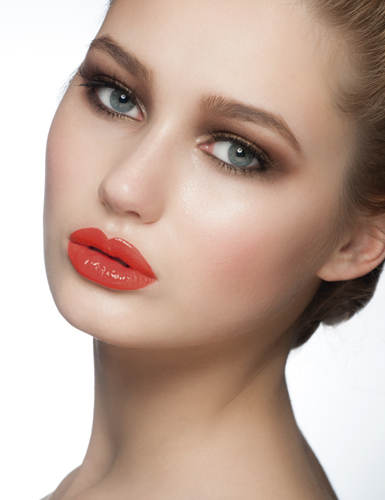
I have a problem wearing makeup. At twenty-eight years old, I have an understanding—partly from my mother—that I’m young enough to get away with it, but if I want to attract a mate, at least one of hetero-persuasion, or be seen as “successful” in the professional world, I might need it.
The first and last time I let a makeup artist at Sephora draw on my face, I thought I looked like a bronze monster with spiders for eyelashes, but walked out wanting to sport this popularized look for the rest of the day. It drew unwanted attention. Attention I wasn’t used to. When I cleaned it off later that night, I thought, “I could never do this, day in, day out.” All this makes me wonder what looking successful has to do with being successful.
The following adverts define success in such ways:
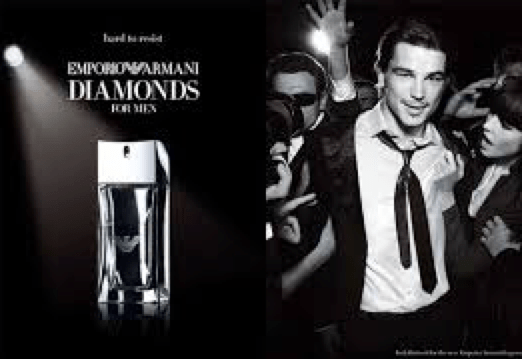
Success = Fame, being photographed, groped
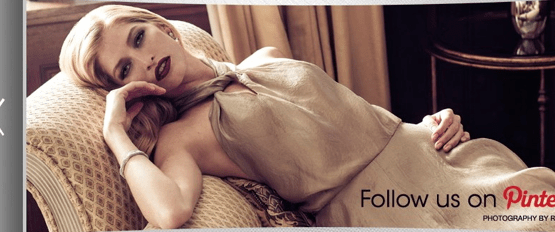
Success = Physical body, being photographed
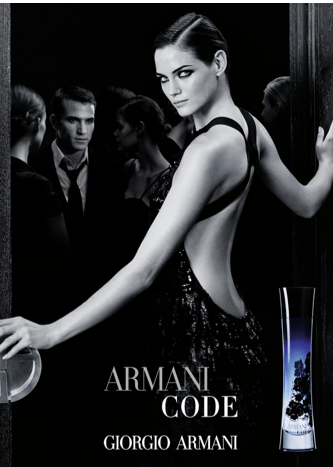
Success = Physical body, especially being noticed by a man
We all have egos. That’s normal. But we also want to be loved, without having to go through the extra special care of learning to love ourselves. Ego thinks it can help get us there, to that place of perfect happiness and bliss. It fuels desire for fame, which is not synonymous with success. Fame occurs as a byproduct of success, which is usually the product of hard work driven by passion, vocation, or money itself. The message we don’t see is that though success (internal) may lead to fame, fame (external) doesn’t lead to success.
Why do we desire fame? We want to be indelible, the best parts of ourselves—the parts we perceive as best, or the parts others perceive as best—we want in the limelight. Please, look at me, so I can look at, maybe even love, myself.
But there’s no one in that gaze. Your self isn’t there. It’s somewhere inside you, beyond influence, steadfast and true.
A woman may be malnourished and/or depressed, but because she’s wearing makeup and her hair is shiny, it’s OK. Her interior life, her struggle, doesn’t matter. What does our makeup hide—what does it reveal? When a woman is objectified, she becomes the object, the thing that wears, that touts “success,” for even when she is not splayed on a divan wearing diamonds and jewels, her hairstyle, makeup and body—her physical appearance–are enough to completely override her internal reality and still convey the illusion of success which thrives on the photograph, the object that she makes herself to be.

We don’t know these women. Yet the photograph can be appreciated for its aesthetic appeal. The subject matter is love (?); the subject (or the object)—real people—is lost.
The more you look at she—the photoshopped vixen that graces every women’s magazine—the more mental power you give her, and the more you take away from your unbiased, free-thinking. The root of my makeup quandary goes beyond a preoccupation with physical beauty. It’s more than a trend to “go bare” for the day. It’s a lifestyle, a choice, one that reflects who you want to be.
Wearing clothes you don’t like, makeup you don’t want, just further shrinks ourselves from ourselves. We need our selves! Our self is the child we are, self-assured and neutral, that has the information we need to reclaim our full potential as growing, evolving beings. This fetishization of narrow forms of beauty has somehow led us to believe that beauty is not only synonymous with material success but is undeniably the first step toward becoming successful. It’s not true, but in this culture climate, it’s a fight.
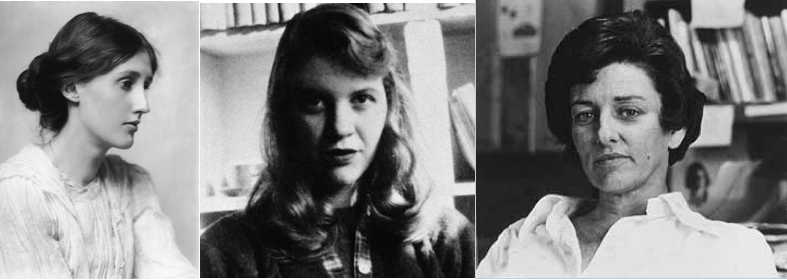
(from left to right: Virginia Woolf, Sylvia Plath, Anne Sexton) Another type of narrow beauty fetishization: the pretty-to-look-at oppressed writer. The “consequence” of her truth? Emotional implosion.
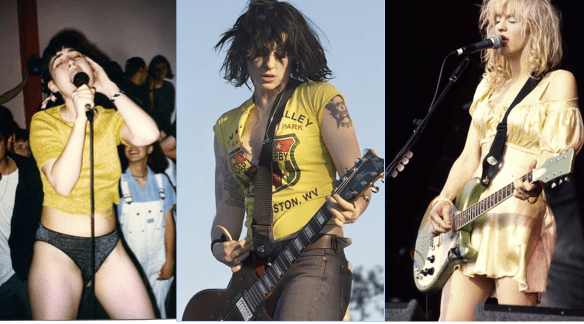
(from left to right: Kathleen Hanna, Brody Dale, Courtney Love) The exhibition of martyrdom. Message: emotional explosion leads to attention and fame. Her truth is fast. The “consequence” is a crash.
BEAUTY = TRUTH
TRUTH = BEAUTY
It would seem we’re dealing in extremes. Women must either sulk to have their stories read, or shout to be heard. Each woman acts from her own life experience, in different locations, during specific periods in history. And each, of course, grapples with the individualized circumstances surrounding her life. But whatever path she tread, may she have an objective view of her choice, raw and unhindered, in the light not from his camera, but from her own within.
We need to get real with ourselves before we can be seen as real. Getting real with ourselves may look different than the narrow forms of beauty that are celebrated–it may require tangled hair, smudged eyeliner, no makeup, tattered t-shirts and underwear, which are all details of exactly what being real can look like, in all its glory. So let’s wear our glory on stage. Let’s wear the real us, unabashed, unashamed, unspoken for.
 Is The Message